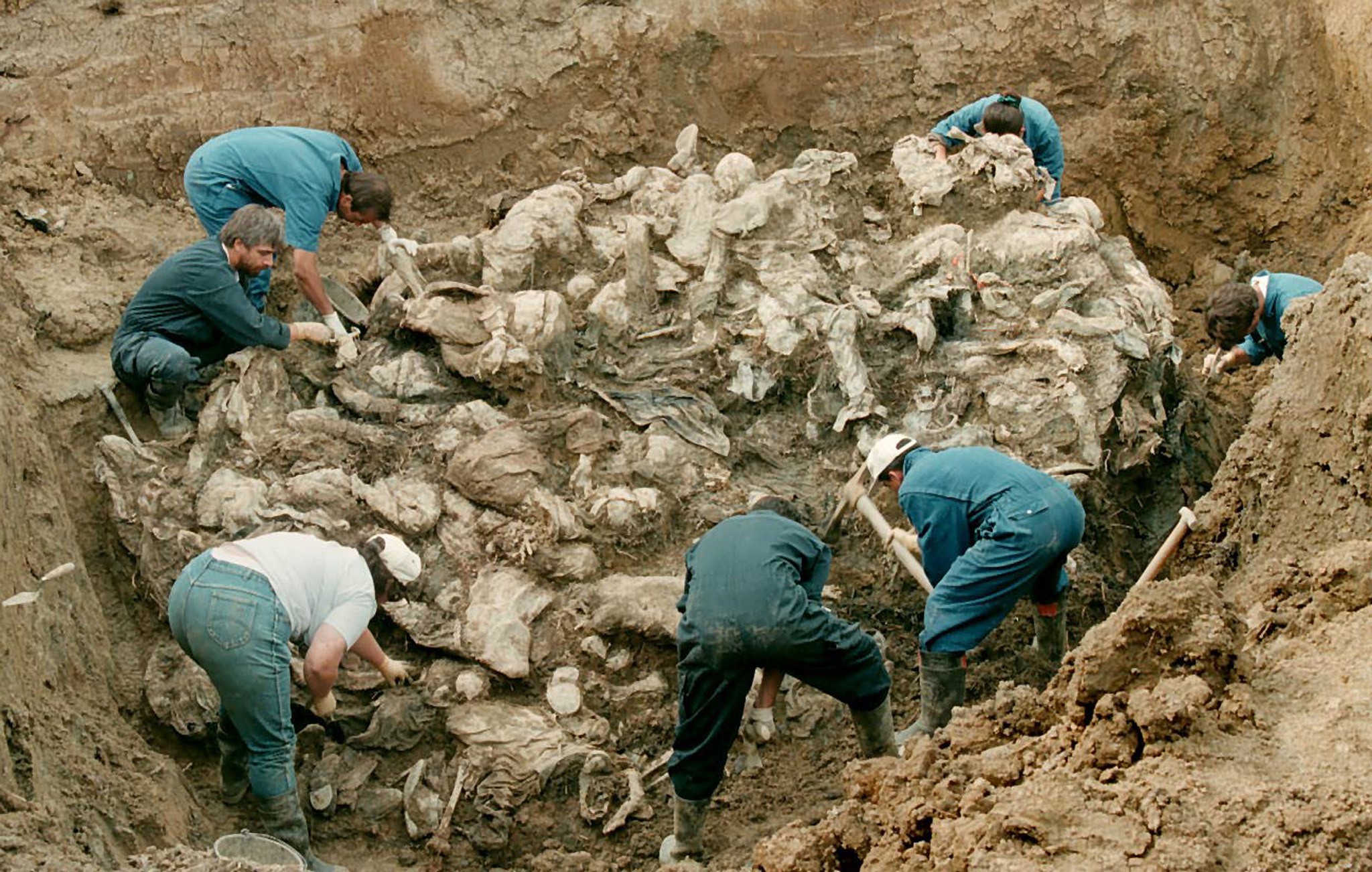
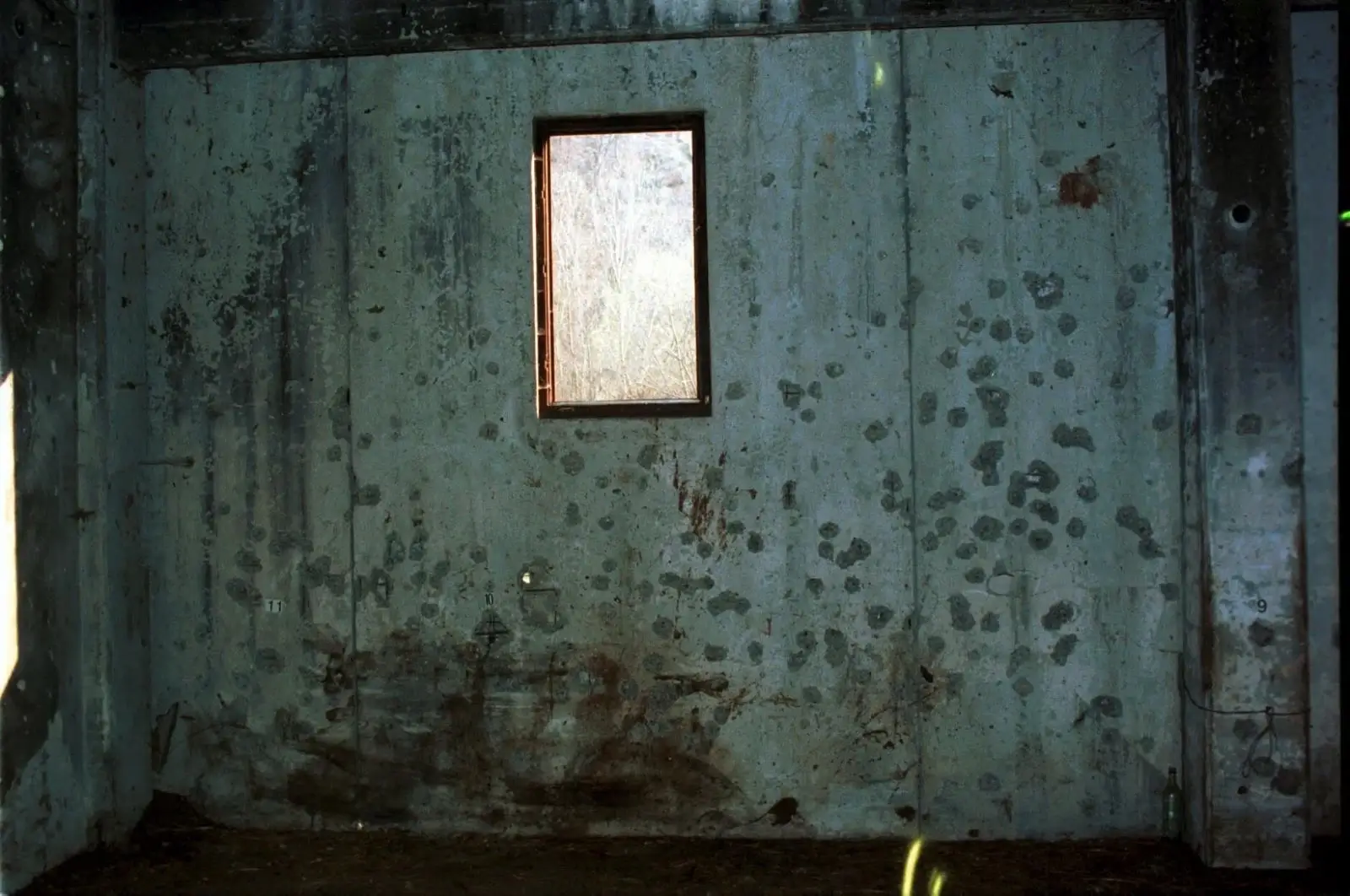
When Ratko Mladić’s Serb nationalist forces entered the Srebrenica enclave in eastern Bosnia and Herzegovina on July 11, 1995, the general of the selfstyled “Army of the Republika Srpska” took a moment to speak to an accompanying camera crew.
“Here we are,” he says solemnly, “on July 11, 1995, in Serbian Srebrenica.” What followed was Mladić’s rationale for the extermination campaign that was unfolding in the city, the culmination of the nearly four-year-long Bosnian Genocide orchestrated by Mladić and his political masters, Slobodan Milošević and Radovan Karadžić: “We gift this town to the Serb people. Finally, the moment has come, after the uprising against the Dahijas, for us to take revenge against the Turks in this region.”
Even those who had followed the news of the Bosnian War but were unfamiliar with Serb nationalist lexicon would have struggled to make sense of Mladić’s pronouncements. But this was the clearly articulated thesis of the Belgrade-orchestrated war and genocide in Bosnia, and it is a sentiment that has continued to percolate through to the present – not just in the Balkans but, increasingly, throughout the West.
Read articleSources
- Turčalo, S. & Karčić, H. (Eds.). (2021). Bosnian Genocide Denial and Triumphalism: Origins, Impact and Prevention. Faculty of Political Science, University of Sarajevo, in cooperation with Srebrenica Memorial Center and Institute for Islamic Tradition of Bosniaks.