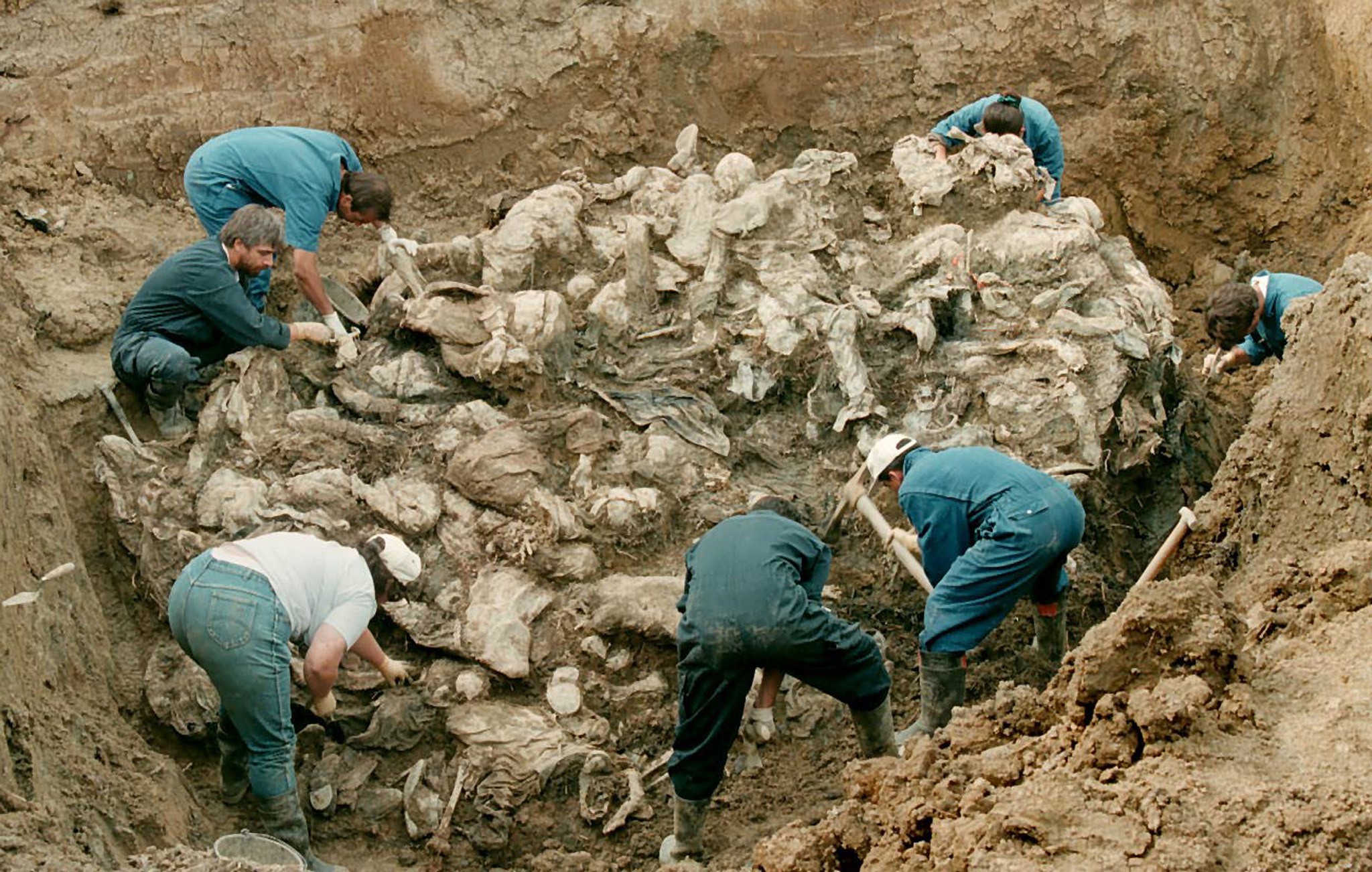
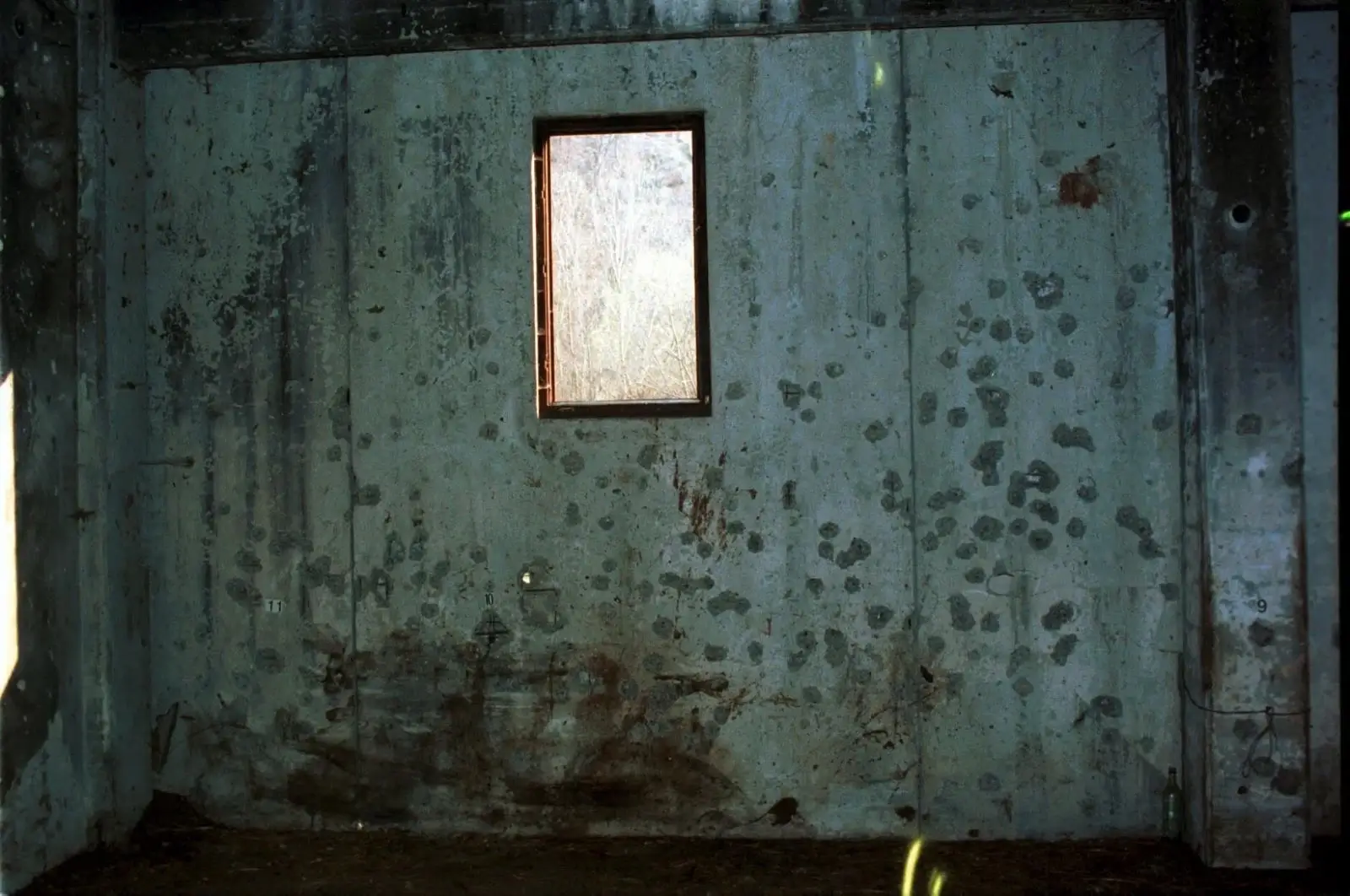
In July 1995, near the Bosnian town of Srebrenica, the Serbian army executed more than 7000 human beings. Some 440 among those killed were underage boys. Some were children, some were elderly persons. The youngest victim was Fatima Muhić, the baby-girl born on July 13, 1995, two days old. The oldest victim was Šaha Izmirlić – she was born in 1901.
I visited Potočari Memorial Center in the spring of 2015. From that personal experience I remember mostly emotions: sadness, shame, and hopelessness. Some Serbs, my co-nationals, thought and acted on the assumption that I would be better off if those children, women, and men whom I had never met would not live anymore. And so they were killed
What can we say about the victims, we who did not know them? Not much. We do not know about their lives, dreams, or everyday worries. Neither do we know how it is to face the imminent death. We do not know what those Bosniak boys in 1995 thought, how they felt, or what they wished, when facing the guns. We can assume that they were immensely scared. Did they hope that somehow, by some miracle, they could still be saved? We do not know. We only know that they were human beings, and we ought to assume that each person killed was as valuable as any of us living today.
Read articleSources
- Turčalo, S. & Karčić, H. (Eds.). (2021). Bosnian Genocide Denial and Triumphalism: Origins, Impact and Prevention. Faculty of Political Science, University of Sarajevo, in cooperation with Srebrenica Memorial Center and Institute for Islamic Tradition of Bosniaks.